×
- Hello
- Login or Register
- Quick Links
- Live Chat
- Track Order
- Parts Availability
- RMA
- Help Center
- Contact Us
- Shop for
- Mercedes-Benz Parts

My Garage
My Account
Cart
Genuine Mercedes-Benz 300TD Differential Seal
- Select Vehicle by Model
- Select Vehicle by VIN
Select Vehicle by Model
orMake
Model
Year
Select Vehicle by VIN
For the most accurate results, select vehicle by your VIN (Vehicle Identification Number).
1 Differential Seal found
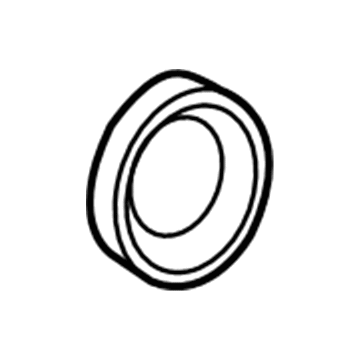
Mercedes-Benz 300TD Flange Seal
Part Number: 022-997-98-47-64$23.79 MSRP: $32.50You Save: $8.71 (27%)Ships in 1-2 Business Days
Mercedes-Benz 300TD Differential Seal
Every part of the automobile matters, and their maintenance is crucial for the health of your vehicle. Moreover, a faulted Mercedes-Benz 300TD Differential Seal can impact its functionality as well as lead to system-wide problems that may endanger safety. Thus, it is imperative that one repairs or replaces failing parts for better driving experiences. Why go for OEM Mercedes-Benz 300TD Differential Seals? Because they are the optimal solutions, fit your vehicle perfectly, and are easy to install. Therefore, these factors help maintain the dependability and performance of your vehicle. At MBPartsGiant.com, you may find all the required genuine parts for your Mercedes-Benz 300TD. They are delivered from authorized Mercedes-Benz dealers directly via an uncomplicated online catalog. We guarantee promptness, reliability, and cheap sales on the Mercedes-Benz 300TD Differential Seal, and we always provide you with the right part at any time. Depend on our genuine Mercedes-Benz 300TD Differential Seals to keep your vehicle running smoothly.
Mercedes-Benz 300TD Differential Seal Parts and Q&A
- Q: How to replace the differential seal for the pinion and axleshaft on Mercedes-Benz 300TD?A:To replace the pinion oil seal, first remove the driveshaft and drain the oil from the differential/final drive unit. Establish the correct bearing preload by determining the turning torque of the pinion; if a torque gauge is unavailable, use string and a spring balance to measure the force needed to turn the flange slowly, ensuring the axleshafts are horizontal and the brake components are away from the discs. Secure the flange with a bar bolted to two bolt holes, then unscrew the pinion nut with a slotted box wrench. Use a puller or slide hammer to remove the flange from the pinion splines, and pry out the old oil seal from the housing. Clean the areas around the oil seal and flange, replacing the flange if the seal shoulder is excessively worn. Lubricate the outer edge and sealing lips of the new seal with oil, position it, and carefully drive it into the housing using a suitable socket or tube and a hammer. Place the flange on the pinion splines and screw on a new pinion nut finger-tight, then gradually tighten the nut until the turning torque matches the previously recorded value, avoiding overtightening to prevent the need for replacing the collapsible spacer. Lock the nut by peening the shoulder into the cut-out on the pinion, then reinstall the driveshaft and fill the differential/final drive unit with oil to the filler hole level while the vehicle is on level ground. For the axleshaft seal, remove the axleshaft(s) and pry out the old seal from the housing. Lubricate the outer circumference and inner lip of the new seal, then position it and drive it fully and evenly into the bore using a suitable socket and hammer before reinstalling the axleshaft(s).


